Tina Fischer · 10 November 2026
Cross-Border Seed Certification Shifts Spur New Tracking Methods for Protected Grassland Species in the Eifel Region
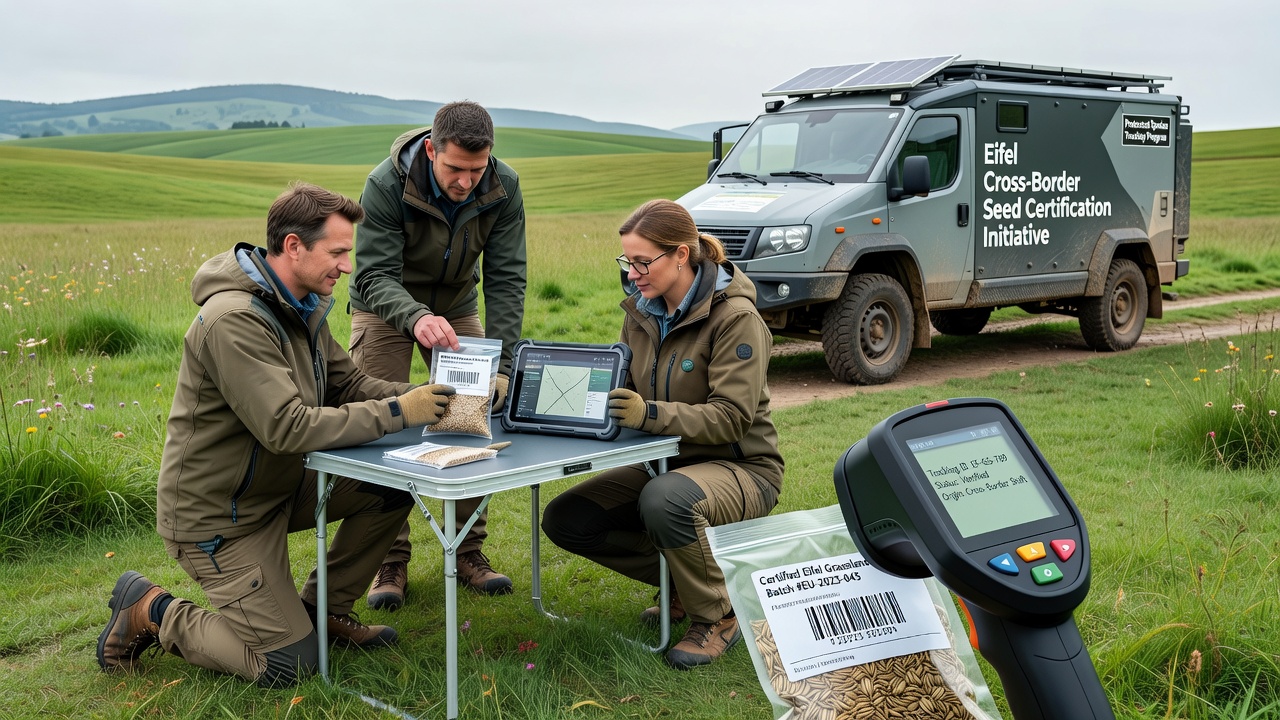
Cross-border seed certification adjustments have prompted agricultural authorities across Germany, Belgium and Luxembourg to adopt fresh tracking protocols for protected grassland species in the Eifel region, where meadow habitats straddle multiple national boundaries. These changes stem from updated European Union directives on seed movement that took effect in late 2025, requiring stricter verification of origin and genetic integrity for species used in restoration projects. Data compiled by regional biodiversity offices shows that seed lots crossing borders now carry digital identifiers linked to laboratory assays, allowing officials to trace individual batches from harvest sites to planting locations in protected zones.
Regulatory Background and Certification Updates
European seed regulations have evolved to address gaps in oversight for native grassland flora, particularly those listed under the EU Habitats Directive. The Eifel area, spanning roughly 5,300 square kilometres, contains extensive calcareous grasslands that support orchids, gentians and other protected plants, and these areas receive seed inputs for ecological maintenance. Figures released by the German Federal Office for Agriculture and Food indicate that cross-border shipments of certified seed increased by 28 percent between 2023 and 2025, prompting the need for enhanced verification systems. In November 2026, a new harmonised certification label will require suppliers to include molecular barcodes alongside traditional documentation, a measure designed to reduce misidentification risks when seeds move between member states.
Authorities in the German state of North Rhine-Westphalia and teh Belgian Walloon Region have coordinated pilot programmes that test radio-frequency identification tags on seed packaging. These tags connect to a shared database managed by the European Commission, which records harvest dates, collection sites and genetic profiles. Observers note that such integration allows rapid checks at border points without delaying delivery schedules for restoration contractors.
Implementation of Tracking Technologies
New tracking methods combine several tools that together create a chain of custody for each seed consignment. Genetic fingerprinting, already used in forestry seed certification, has expanded to grassland species through partnerships with research institutes in Bonn and Liège. Samples undergo short tandem repeat analysis to confirm species identity and regional provenance before certification stamps are issued. Satellite-linked sensors attached to transport vehicles further log location data, feeding real-time position reports into the central registry.
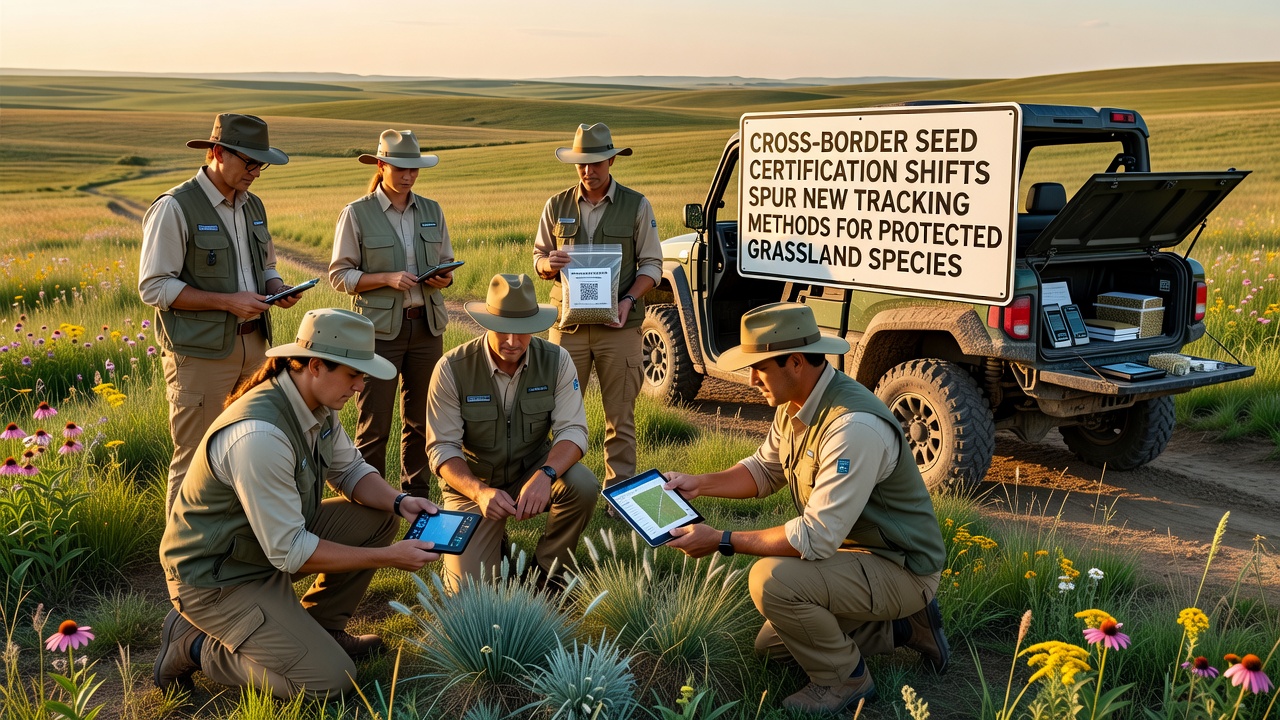
Local nature conservation teams have begun deploying handheld scanners that read both the physical tags and the embedded genetic data when seeds arrive at planting sites. One project near the Belgian border town of Monschau logged over 1,200 individual seed units during spring 2026 restoration work, according to records maintained by the Eifel National Park administration. These records allow managers to verify that only approved genetic material enters sensitive habitats, reducing the chance of introducing foreign ecotypes that could alter local plant communities.
Effects on Protected Species Monitoring
Protected grassland species such as the marsh gentian and various orchid taxa benefit from the improved traceability because restoration efforts can now be audited more precisely. Monitoring data gathered by the Luxembourg Institute of Science and Technology shows that sites receiving certified seed under the new protocols exhibited 15 percent higher establishment rates for target species compared with earlier seasons. The same datasets also record lower incidence of weedy contaminants, a common issue when seed provenance cannot be confirmed.
Community groups and volunteer networks in the region have integrated the tracking outputs into their field surveys, cross-referencing planted locations with drone imagery and ground-truth observations. This approach helps distinguish between naturally occurring populations and those introduced through certified seed programmes. Researchers at the University of Trier have published preliminary maps that overlay certification records with species distribution data, revealing clearer patterns of habitat recovery across the tri-national Eifel landscape.
Conclusion
The convergence of revised seed certification rules and digital tracking systems has produced measurable improvements in the management of protected grassland species within the Eifel region. Continued cooperation among German, Belgian and Luxembourgish agencies, supported by EU-wide databases, ensures that seed movements remain documented from source to final planting site. As the November 2026 label requirements come into full operation, additional datasets will become available for long-term analysis of restoration outcomes across these cross-border habitats.