Freya Schmid · 1 September 2026
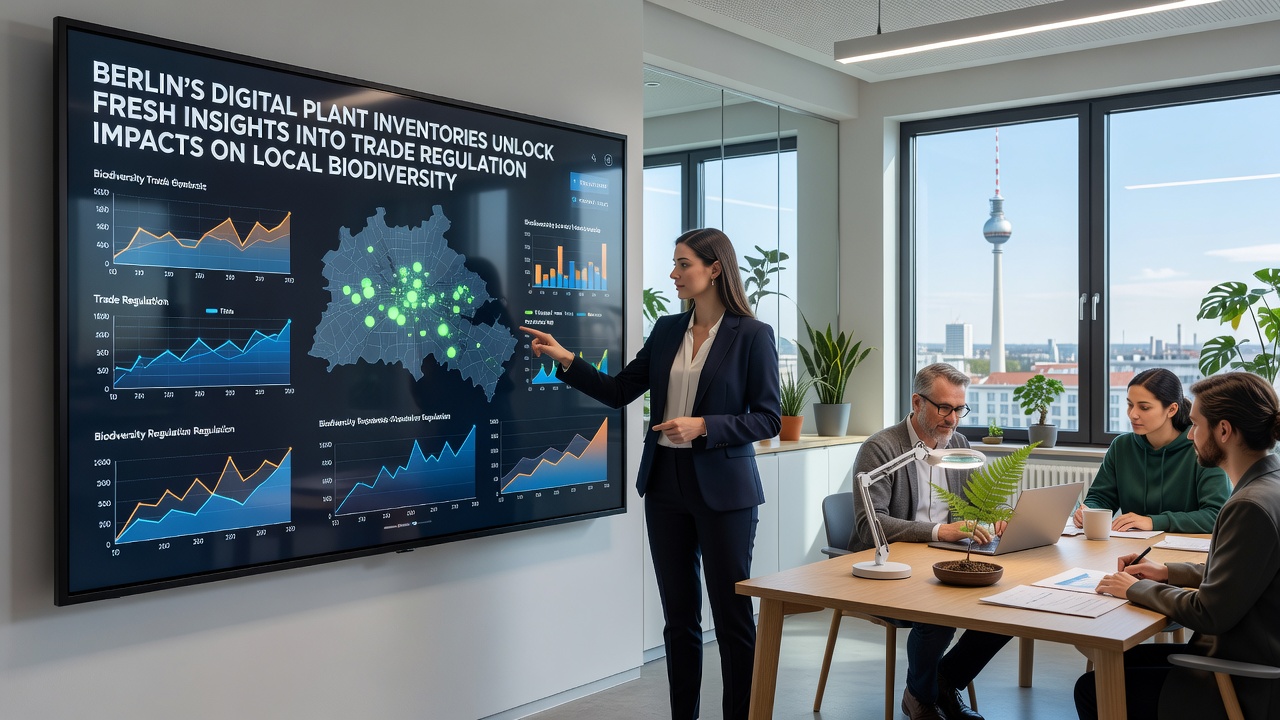
Berlin's Digital Plant Inventories Unlock Fresh Insights Into Trade Regulation Impacts on Local Biodiversity
Berlin maintains extensive digital plant inventories that track species distributions across urban parks, gardens, and natural reserves with high precision, and these systems now reveal connections between evolving trade regulations and shifts in local plant communities. Researchers compile data from field surveys, satellite imagery, and citizen contributions into centralized databases that update in real time, allowing analysts to monitor changes in biodiversity metrics over multiple years. The inventories cover more than 2,500 vascular plant species documented within city limits, with records extending back to systematic digitization efforts that began in the early 2010s.
How Digital Systems Capture Plant Data
Teams at institutions including the Berlin Botanical Garden and Museum integrate GPS-tagged observations, herbarium records, and environmental sensor readings to build layered maps that show where particular species thrive or decline. These platforms apply machine learning algorithms to cross-reference inventory entries with trade databases that log imports of ornamental plants, seeds, and timber products through German ports. Analysts then isolate periods when new regulations took effect, such as updated EU rules on invasive alien species or phytosanitary certification requirements, and measure corresponding alterations in species abundance within the city.
Data from 2023 through 2025 indicate that certain non-native ornamentals decreased in frequency after stricter border controls limited their commercial availability, while native species previously outcompeted by escaped cultivars showed modest rebounds in several districts. Observers note that these patterns emerge most clearly when inventory grids divide the city into 1-kilometer squares, each with repeated sampling cycles that capture seasonal and annual fluctuations.
Linking Trade Rules to Biodiversity Shifts
Trade regulations influence the pool of available plant material entering Berlin through commercial channels, and inventory records demonstrate how these restrictions translate into measurable ecological outcomes. For example, tighter controls on plants listed under the Convention on International Trade in Endangered Species correlate with reduced sightings of certain tropical imports that previously naturalized along railway corridors and riverbanks. According to the European Environment Agency, similar regulatory tightening across member states has produced parallel effects in other large cities where digital monitoring operates at comparable scale.
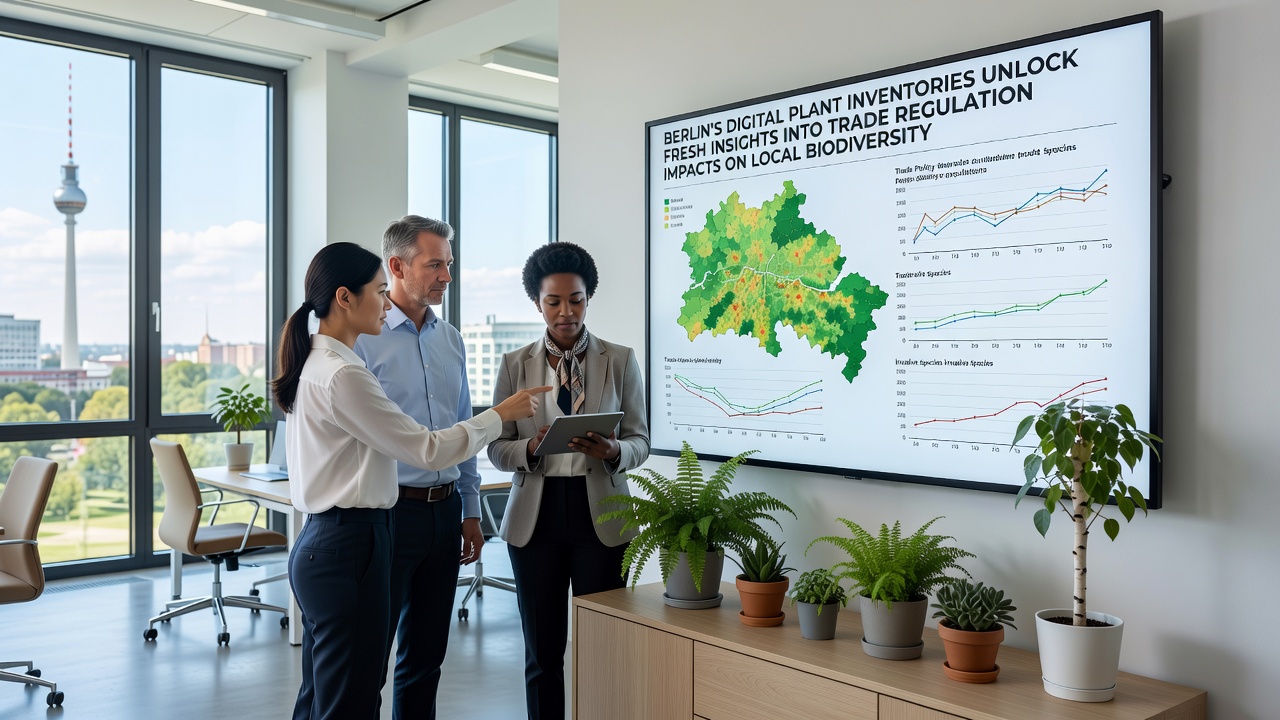
Local records also track secondary consequences, including changes in pollinator support and soil stabilization services when dominant species populations contract or expand. One dataset compiled through 2025 shows a 12 percent rise in records of two native grass species in areas where trade-linked introductions of competing exotics fell following new certification mandates. Analysts cross-check these figures against weather and land-use variables to isolate regulation-driven signals from other environmental pressures.
September 2026 Data Release and Ongoing Monitoring
A scheduled update to the citywide inventory in September 2026 will incorporate an additional year of post-regulation observations, and preliminary processing already flags continued divergence between regulated and unregulated plant groups. Project leads combine these findings with comparable datasets from other European capitals to test whether Berlin patterns generalize or reflect unique urban conditions. The digital framework supports scenario modeling that projects future species composition under different trade policy trajectories, using historical inventory slices as validation benchmarks.
Stakeholders from municipal planning offices and research consortia review these outputs to adjust green-space management practices, such as targeted restoration plantings that favor species showing resilience under current trade constraints. Inventory protocols continue to evolve with added modules for genetic sampling and automated image recognition, which increase the granularity of detections for both established and newly arriving plants.
Broader Applications and Data Integration
Similar inventory approaches operate in other regions, and Berlin teams share code and methodology through open platforms that facilitate comparative studies. One collaboration with Australian researchers examines how analogous trade measures affect Mediterranean-climate floras in urban settings, revealing convergent responses in species turnover rates. Figures released by the Australian Department of Climate Change, Energy, the Environment and Water provide parallel benchmarks that strengthen statistical confidence in the European observations.
These integrated datasets also feed into predictive tools used by landscape architects and conservation planners who select plant palettes less vulnerable to supply-chain disruptions caused by regulatory changes. Regular audits of the underlying databases maintain data quality, while transparent documentation of collection methods allows external verification of reported trends.
Conclusion
Berlin's digital plant inventories supply structured evidence that connects trade regulation adjustments to concrete shifts in urban biodiversity, and continued expansion of these monitoring systems promises further clarity on long-term ecological responses. The combination of high-resolution spatial data, temporal depth, and linkage to trade records creates a replicable model for other cities seeking to understand how policy decisions ripple through local plant communities. As updates accumulate through 2026 and beyond, the inventories remain a central resource for tracking and responding to these dynamics with precision.