Vera Reed · 31 August 2026
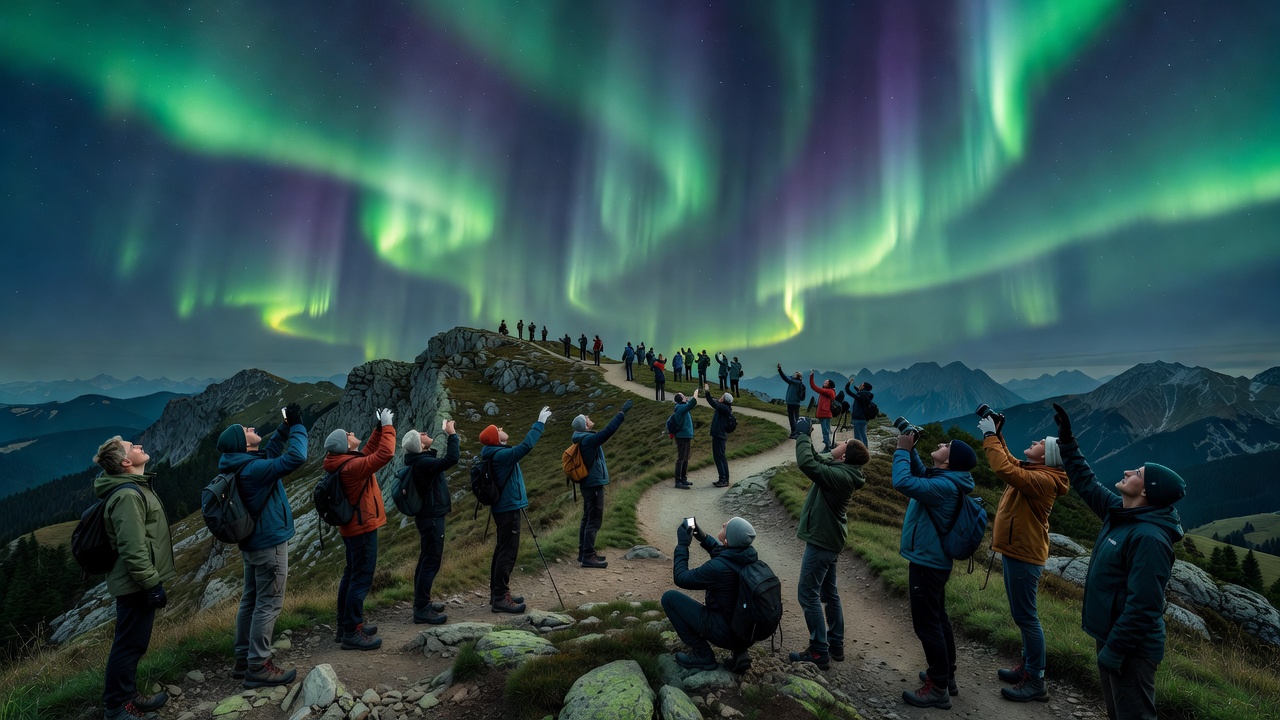
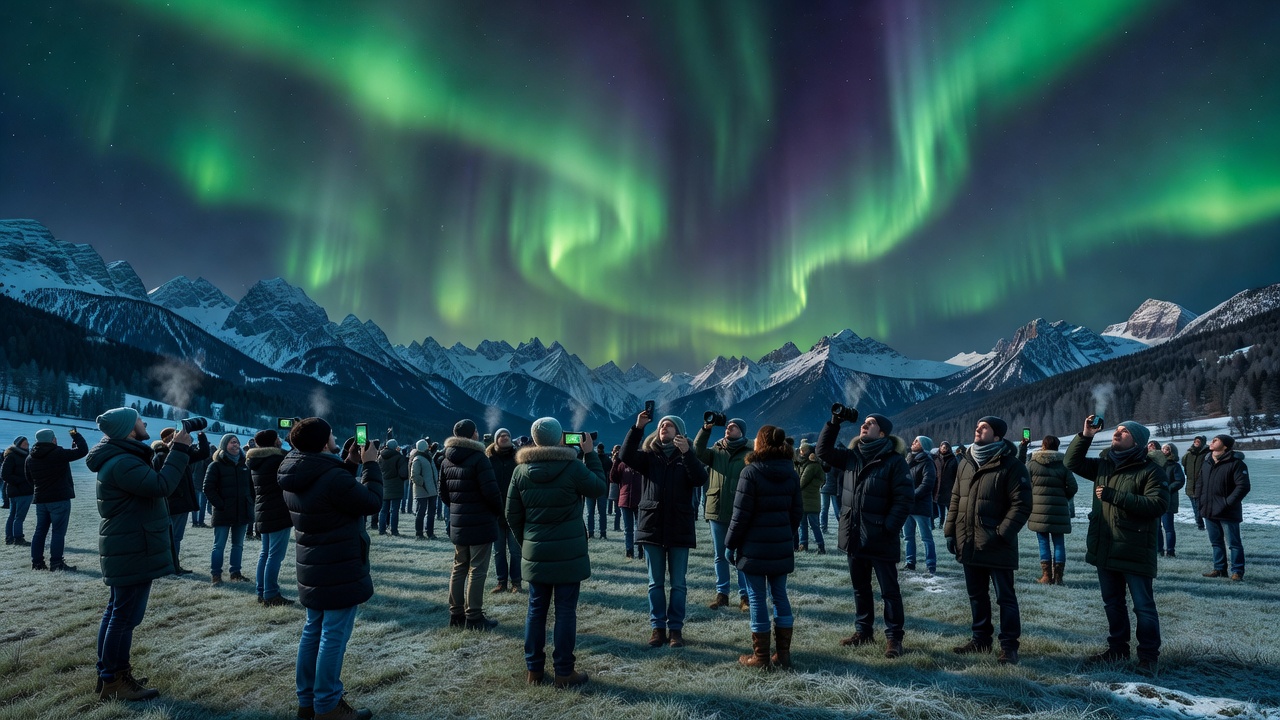
Recent aurora borealis displays have drawn large numbers of visitors to the Bavarian Highlands, with clear night skies enabling widespread sightings across elevated regions. Observers reported vibrant green and purple lights visible from locations including the Allgäu Alps and Berchtesgaden National Park on multiple evenings last week. Local authorities noted increased traffic and temporary parking restrictions to manage the influx.
Scientific Context of Recent Displays
The auroral activity stems from heightened solar wind interactions with Earth’s magnetosphere, following a series of coronal mass ejections detected by space weather monitoring stations. Experts from the German Aerospace Center confirmed that geomagnetic storm levels reached moderate intensity, sufficient for visibility at latitudes around 48 degrees north. Data from ground-based magnetometers showed fluctuations consistent with historical events that produced similar mid-latitude displays. Residents and tourists used smartphone apps to track real-time forecasts, contributing to organized viewing gatherings at higher elevations where light pollution is minimal.
Emergency services reported no major incidents, though they advised against hiking in remote areas after dark without proper equipment. Hotels and guesthouses in nearby towns experienced higher occupancy rates, with some establishments extending opening hours for late-night observation sessions. Regional tourism boards have begun coordinating with meteorological services to provide updated viewing advisories for future events.
Local Impact and Safety Measures
Municipal governments in the affected districts implemented temporary traffic controls and deployed additional personnel to popular vantage points. Environmental groups emphasized the importance of minimizing disturbance to nocturnal wildlife during these gatherings. Long-term monitoring indicates that such auroral episodes may recur if solar activity remains elevated through the current cycle. Visitors are encouraged to check official forecasts and respect designated viewing zones to ensure both safety and preservation of natural habitats. Continued public interest underscores the growing appeal of natural phenomena accessible within central Europe.