Rosa Bennett · 31 August 2026
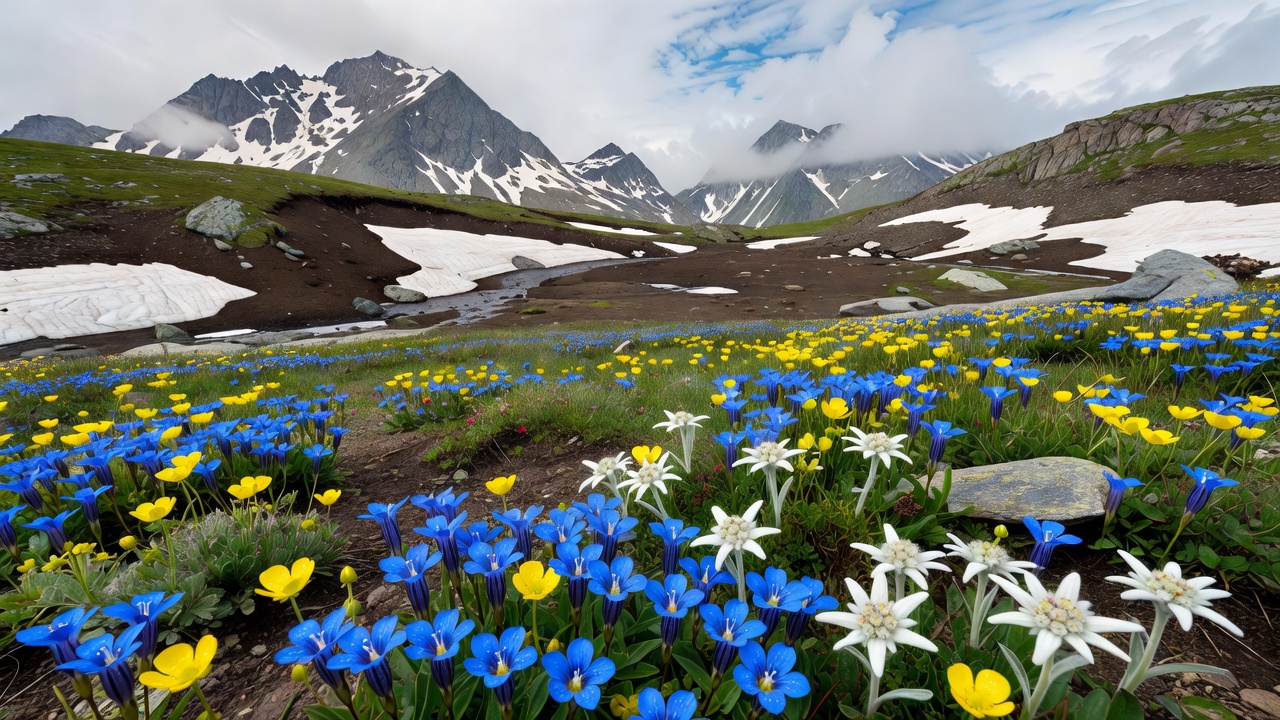
Climate shifts are increasingly threatening the habitats of alpine wildflowers across mountain ranges in Europe and beyond. These delicate ecosystems, home to unique flora adapted to cold conditions, are experiencing rapid changes due to global warming. Higher temperatures are causing snow to melt earlier, altering the timing of growth cycles for many species. Experts warn that without intervention, numerous plant varieties could decline sharply in coming decades.
Effects on Flowering Patterns and Biodiversity
Observations from long-term studies show that alpine plants are moving to higher elevations in search of cooler climates. However, this upward migration is limited by the availability of suitable terrain at mountain peaks. As a result, some populations face isolation and reduced genetic diversity. Pollinator insects may not synchronize with earlier blooming times, leading to lower seed production for flowers like saxifrages and primroses. In addition, changes in precipitation are affecting soil moisture levels critical for plant survival. Biodiversity loss in these areas could disrupt entire food webs and ecosystem services provided by native vegetation.
Habitat fragmentation is another concern, with human activities exacerbating the pressures from climate. Models predict substantial reductions in the range of many wildflower species within the next few decades. Specific data from the Swiss Alps indicate shifts of several hundred meters in elevation for optimal growth conditions over the past thirty years.
Research Findings and Future Outlook
Scientists emphasize the need for comprehensive conservation plans that include habitat restoration and climate adaptation measures. Data collected from various alpine regions highlight the urgency of addressing these environmental changes to preserve biodiversity hotspots. Monitoring programs using advanced technology provide valuable insights into population trends and help identify at-risk species early. Continued international collaboration is essential to mitigate the impacts and protect these vulnerable ecosystems for future generations. Policy makers are urged to integrate findings into broader environmental strategies aimed at reducing carbon emissions globally while supporting local protection initiatives.